All Categories
Featured


The ROI of Senior Living for Churches
Table of Contents
Modern Standards for Senior Living in 2026
Public expectations for cleanliness have reached a new threshold in 2026. Retailers and hospitality managers no longer view floor care as a secondary maintenance task but as a primary component of customer trust. In high-traffic environments across Tennessee, the appearance of a floor serves as an immediate indicator of a facility's overall hygiene standards. Whether it is a boutique in the local area or a large-scale hotel lobby, the demand for sanitized, slip-resistant, and high-gloss surfaces has necessitated a move toward professional-grade solutions that go beyond basic mopping.
The distinction between looking clean and being sanitized is a major theme this year. Traditional cleaning methods often spread pathogens across porous surfaces if the equipment is not properly maintained. In 2026, facilities management relies on advanced pH-balanced chemicals and antimicrobial finishes that bond to the floor surface. These applications provide a microscopic shield against bacteria and viruses, ensuring that the ground customers walk on remains as safe as the air they breathe. Retail managers often seek expert guidance regarding HydroClean Carpet & Floor Care Care to maintain high foot-traffic zones without disrupting daily operations.
Balancing Visual Appeal and Hygiene in Tennessee Retail Outlets
Retail spaces face unique challenges due to the constant influx of outdoor debris. In areas like the local region, seasonal changes bring mud, rain, and grit into showrooms. When these elements grind into a floor finish, they create micro-scratches that harbor germs and dull the shine. Professional floor care in 2026 focuses on a multi-stage process: deep extraction of contaminants, followed by the application of high-solids floor finishes. This creates a non-porous barrier that reflects light effectively, making the entire store look brighter and more inviting.
Brightness is not just an aesthetic choice. Studies in 2026 show that customers spend 15% more time in retail environments that utilize high-reflectivity flooring, as it improves the visibility of products and creates a sense of openness. However, a high gloss must not come at the expense of safety. Modern sanitizing services include the use of slip-resistant additives that exceed OSHA standards even when the floor is wet. Lately, HydroClean Carpet & Floor Care Retirement Facility Cleaning has become a standard requirement for luxury retail locations looking to minimize liability while maximizing visual impact.
Temperature and humidity also play a role in how floor treatments cure. In many parts of the United States, maintaining a steady 68 to 72 degrees Fahrenheit during the application of sanitizing seals is necessary for long-term durability. Professional crews monitor these environmental factors to ensure the finish does not peel or cloud, which is a common issue with DIY attempts in humid climates. By choosing specialized services, store owners ensure their investment lasts through the heavy holiday shopping seasons without requiring a total strip and wax every few months.
Technical Advancements in Hospitality Floor Sanitization
Hotels and event venues operate on a 24-hour cycle, making floor maintenance a logistical puzzle. In 2026, the use of fast-drying, low-VOC (volatile organic compound) sanitizers allows facilities to return to service in under two hours. This is vital for lobbies and corridors that cannot be closed off for long periods. The hospitality industry has shifted toward silver-ion technology integrated into floor waxes. These ions actively neutralize microbes on contact, providing a continuous sanitizing effect that persists between scheduled cleanings.
The equipment used by professional teams has also seen a significant upgrade. Autonomous scrubbers equipped with UV-C light arrays are now common in large Tennessee venues. These machines provide a dual-action approach: mechanical scrubbing to remove physical dirt and ultraviolet radiation to kill microorganisms at the DNA level. This level of precision is difficult to achieve with manual labor alone. Property owners searching for HydroClean Carpet & Floor Care for Local Residents often find that these technical methods provide a higher ROI by reducing labor costs and improving health scores from local inspectors.
Hospitality flooring often includes a mix of materials, from natural stone and ceramic tile to luxury vinyl plank (LVP). Each material requires a specific chemical approach. Using the wrong sanitizer on marble can cause etching, while high-alkaline cleaners can damage the wear layer of LVP. Professional services categorize these surfaces and apply tailored protocols. For instance, grout lines in tiled entryways are notorious for trapping moisture and mold. Specialized steam extraction at 200 degrees Fahrenheit is frequently used to blast away deep-seated grime before a specialized grout sealer is applied to prevent future staining.
Safety Protocols and Liability Management
Safety is the silent partner of aesthetics. In 2026, the cost of a single slip-and-fall lawsuit in the United States can exceed $40,000 in legal fees and settlements. Professional floor sanitizing services address this risk by using traction-enhancing polymers. These clear coatings provide "grip" without changing the color or texture of the flooring. Managers in the target market prioritize these treatments to protect both their patrons and their bottom lines.
Furthermore, the documentation provided by professional cleaning companies has become a vital asset for facility managers. Digital logs showing the exact time, chemical concentration, and method of sanitization are used to prove compliance with health regulations. In the event of a health audit or a liability claim, having a verifiable history of professional maintenance is a strong defense. This data-driven approach to cleanliness is a hallmark of the commercial sector in 2026, moving away from "it looks fine" to "it is certified safe."
Sustainability in 2026 Commercial Cleaning
Environmental impact is another factor driving the choice of sanitizing services this year. Many facilities are moving away from harsh bleach-based products in favor of stabilized aqueous ozone or botanical disinfectants that are biodegradable. These options are safer for staff who spend eight hours a day in the building and for guests with chemical sensitivities. Modern floor care programs focus on reducing the frequency of total floor stripping, which produces significant chemical waste. Instead, they use "scrub and recoat" methods that refresh the top layer of protection while keeping the base layers intact.
Water conservation is also a priority. High-efficiency floor scrubbers in 2026 use 70% less water than models from a decade ago. These machines recycle and filter their own water supply during the cleaning process, which is particularly beneficial for large warehouses and shopping malls in the region. By reducing water usage, the floors dry faster, which further reduces the risk of accidental slips during the cleaning window.
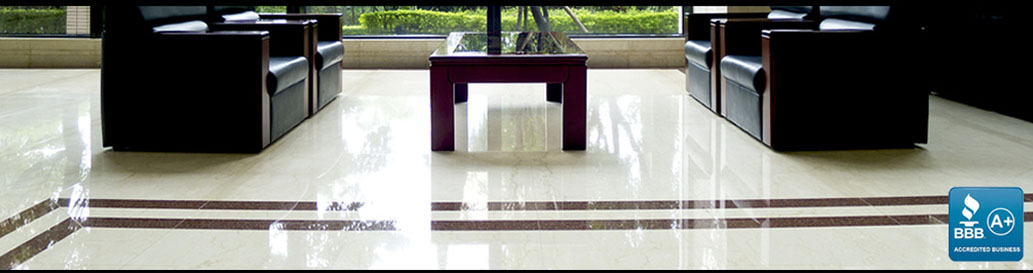
Ultimately, the marriage of aesthetics and safety defines the successful commercial space in 2026. A floor that shines reflects a management team that cares about the details, while the underlying sanitization protocols ensure that the environment remains healthy for everyone. Professional floor care is no longer just about the shine; it is about creating a controlled, clean, and safe foundation for business to thrive in a health-conscious society. From the smallest boutique to the largest resort, the floor remains the most visible and hardest-working surface in the building, deserving of specialized attention and the highest standards of care.

Latest Posts

Why Invest in Commercial Carpet Cleaning?

Securing Your Medical Facility Future with Medical Dental Offices

Evaluating Industrial Carpet Care Services